Your medical emergency. Our responsibility.
A trained paramedic and a fully equipped ambulance at your door in 10 minutes. One tap. Zero panic. ₹1 a day.
- 24/7
- NABH-accredited hospitals
- DPDP compliant
- Live in Thane & Powai, Mumbai
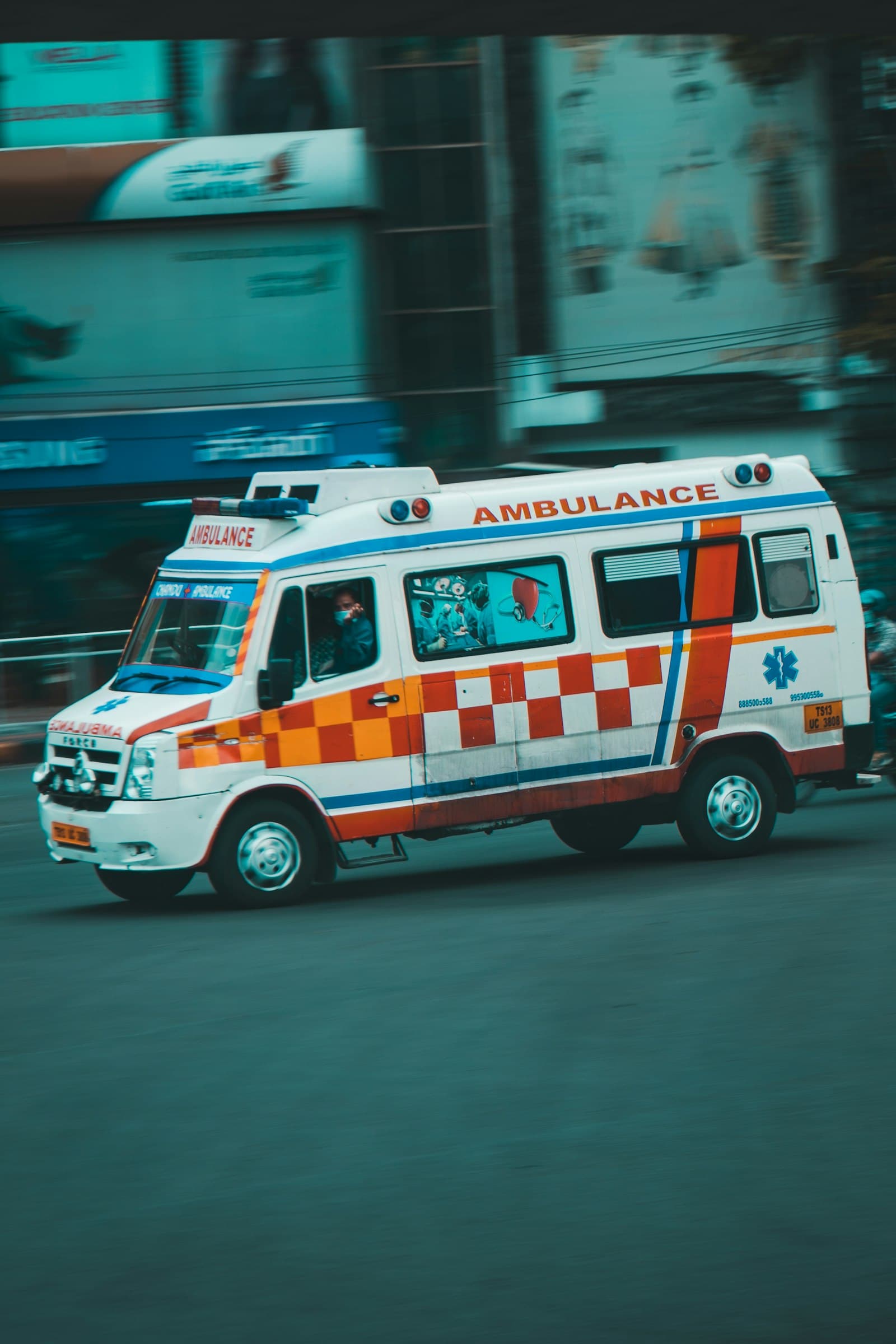
Why minutes matter
The first hour decides most of what happens next
Doctors call it the golden hour — the window after a cardiac event, a stroke or a serious injury in which treatment changes the outcome most.
In most Indian cities that hour is not lost in the hospital. It’s lost before anyone gets there: working out who to call, waiting for a vehicle, arriving at a hospital that turns out not to be able to help.
Very little of that is a medical problem. It’s a logistics problem sitting in front of a medical one — which is the part we set out to fix.
- PanicNobody remembers a number, and everyone assumes someone else is calling.
One button. No number to recall, no decision to make.
- DelayCalls get made, repeated, transferred. Twenty minutes pass before anything moves.
An ambulance is assigned in under 30 seconds, without you speaking to anyone.
- The wrong ambulanceA van with a driver and a stretcher arrives. No equipment, no trained hands.
Every omya ambulance carries a full kit and a trained EHP.
- TrafficThe ambulance takes the route it knows rather than the route that's moving.
Live routing, with your family watching the same map you're waiting on.
- The wrong hospitalYou reach the nearest hospital and find it can't treat you. You start again.
We match the hospital to the emergency and confirm a bed before you arrive.
How it works
Four steps, and you only do the first one
Tap SOS
Open the app, tap once, pick what's happening. If you can't choose, pick “something else” — it changes nothing about who comes.
We dispatch
The nearest available ambulance with a trained EHP is assigned in under 30 seconds. You don't call anyone or explain anything.
Your family watches it come
Your emergency contacts get a live tracking link on WhatsApp and SMS. They can see exactly where the ambulance is.
The hospital already knows
While the ambulance is still on its way to you, we're confirming a bed. You arrive expected, not queued.
What we cover
Seven emergencies, described the way you'd actually say them
You should never have to know the medical name for what's happening. Pick what you can see — and if none of it fits, the last option is there for exactly that.
Chest pain or difficulty breathing
Cardiac emergency
Crushing chest pain, breathlessness, or a collapse. Minutes decide outcomes here more than in any other emergency.
Face drooping, weak arm or slurred speech
Brain stroke
A stroke is a clock. The window for treatment that can prevent lasting disability is measured in hours from the first symptom — not from when you reach a hospital.
Head injury or a bad fall
Head injury & trauma
A knock to the head that causes confusion, vomiting or drowsiness needs assessment even when the person insists they're fine.
Labour or a pregnancy emergency
Obstetric emergency
Labour that's moving fast, bleeding, or severe pain — with a crew trained to manage both mother and baby, and a hospital told you're coming.
Burns, fire or smoke
Fire & burns
Burns and smoke inhalation both need care within the first hour, and both need a hospital that has burns capability — which is not every hospital.
Road accident or serious injury
Accident & trauma
Road accidents, industrial injuries and serious falls, where the priority is stopping bleeding and moving the person safely.
Something else — I need help
General emergency
You should never have to diagnose anything to get help. If you're not sure what's happening, choose this and tell the crew when they arrive.
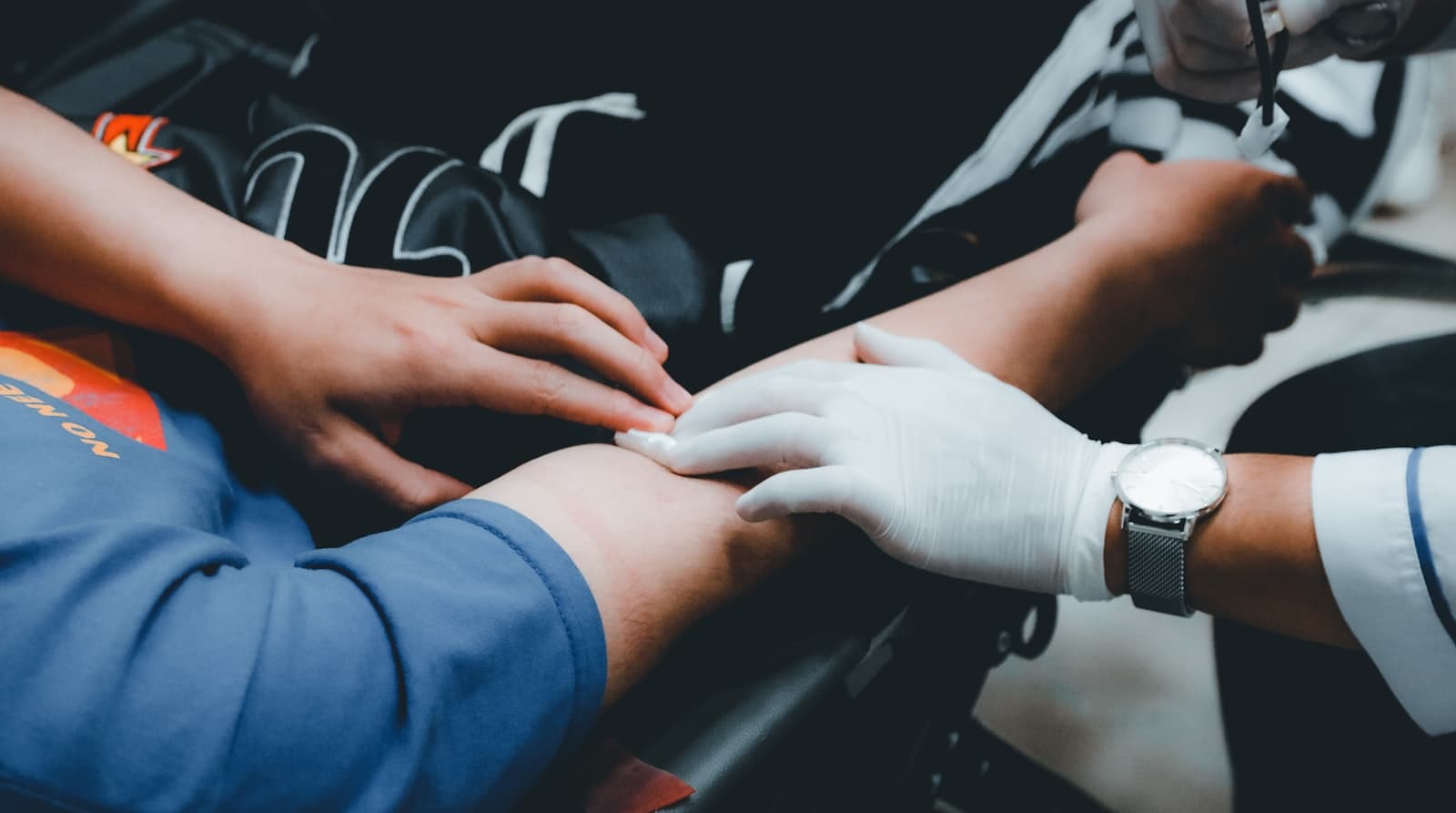
Meet your EHP
Every omya ambulance carries a trained professional — not just a driver
An Emergency Healthcare Professional is trained to start treating you where you are, rather than driving you somewhere so treatment can begin.
Every EHP holds Basic Life Support certification as a floor, and many carry advanced training in cardiac, trauma and newborn emergencies. In plain terms: they can manage an airway, control bleeding, read a heart rhythm, use a defibrillator, and keep someone stable on the way to hospital.
They’re verified and certified before their first shift, and they can call a doctor for advice during your case — so nobody is making a hard decision alone at 3am.
This is the difference most people don’t know to ask about. A vehicle with a stretcher and no trained hands is transport. It isn’t emergency care.
Trust & compliance
The things worth checking before you trust anyone with this
- NABH-accredited hospitals onlyEvery hospital we hand you over to is accredited. No exceptions for convenience.
- DPDP Act 2023 compliantYour health data is handled under India's data protection law, with a named officer accountable for it.
- AES-256 encrypted health dataEncrypted at rest, TLS 1.3 in transit, every access logged.
- 24/7 helplineAnswered by a person, every hour of every day — including when your phone has no data.
- India-registeredOperated by Transformatrix LLP, GST-registered, data held in India.
- Medically ledEvery clinical protocol reviewed by Dr. Nitin N Dange's team.

Medical leadership
Dr. Nitin N Dange
Senior Neurosurgeon & Stroke Specialist
“The gap in Indian emergency care isn’t knowledge or equipment. It’s the hour before the patient reaches us. That’s what this platform is built to close.”
Every clinical protocol on the omya platform is reviewed by Dr. Dange’s team — what a crew carries, what they do first for each emergency type, and which hospital you’re taken to.
Cover for societies and companies

For housing societies
Cover every family in your building
For less than a cup of chai per flat per month. The committee sets it up once; residents never have to think about it again.
See society plans
For companies
The benefit your employees will thank you for
₹300 per employee per year, HR-managed, with anonymised usage reporting and no health data exposed to you.
See corporate plansQuestions
The things people ask first
How do I sign up?
Download the omya jivatu app, enter your mobile number, and choose a plan. The whole thing takes a few minutes. You'll be asked for a few health details — conditions, allergies, medication, blood group — which is the part worth doing carefully, because it's what the crew sees before they reach you.Can I add my parents if they live in a different flat?
Yes, and this is one of the most common reasons people choose the Family plan. Each member has their own saved addresses. Cover follows the person, not one household address.What happens when I press SOS?
Your location, identity and health profile go out at once, and an ambulance with a trained EHP is assigned — we target under 30 seconds. Your emergency contacts get a live tracking link on WhatsApp and SMS. While the ambulance is on its way to you, we're already confirming a hospital bed. You don't have to call anyone or explain anything.What if I press SOS by mistake?
You get a two-minute window to cancel, on the screen. Cancel inside it and nothing further happens, at no charge. If the window passes, we'll call to check rather than simply arriving.Where are you available?
We're live in Thane and Powai, Mumbai. We're expanding across the rest of Mumbai next, then to Chennai, Delhi and Kolkata. We'd rather run a small area properly than claim a map we can't serve.What does it cost?
₹365 a year for one person — a rupee a day. ₹999 a year for a family of up to five. Corporate cover is ₹300 per employee per year. Societies are quoted on size. GST at 18% applies on top.Who can see my health data?
The EHP assigned to your active emergency, and the hospital we hand you over to. Nobody browses it casually, and every access is logged. It is never sold and never shared with advertisers.Who manages a society or corporate plan?
A named administrator: the committee for a society, HR for a company. They manage the roster and billing. They do not get access to anyone's health data.
One tap could save a life. Yours, or someone you love.
₹365 a year for one person. ₹999 for a family of five. Cover starts the moment you subscribe — there’s no waiting period.
Get coveredRather talk to a person first? Talk to us instead.